A Legacy of Innovation in the Fields
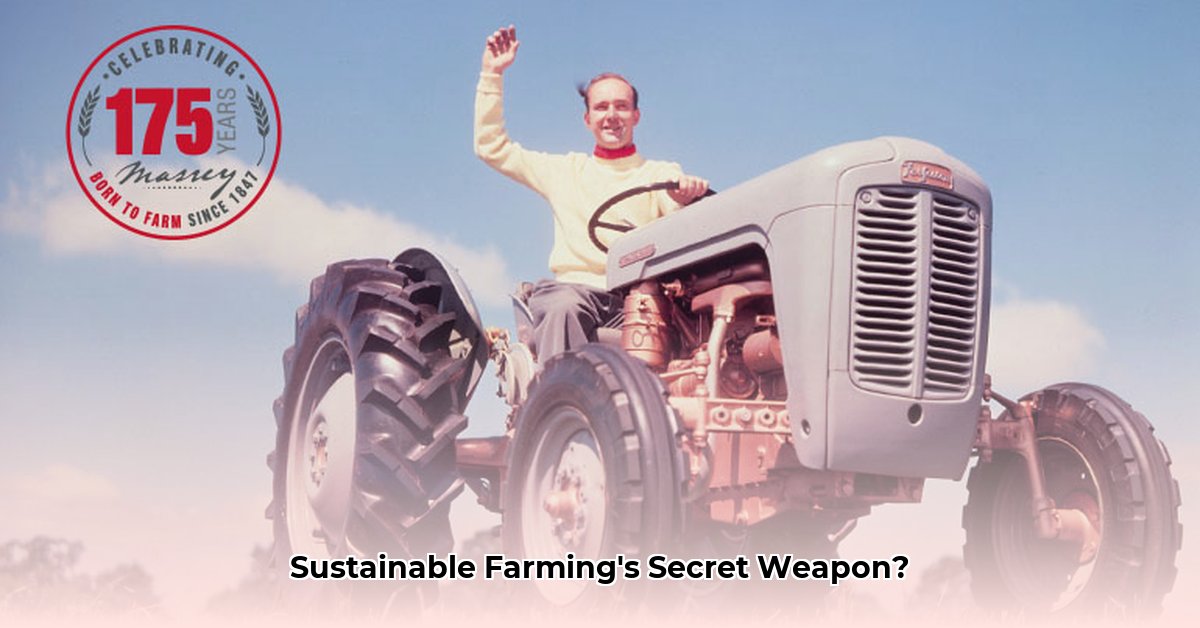
Harry Ferguson's name may not be a household word, but his invention, the three-point hitch, fundamentally altered agricultural practices. This seemingly simple mechanism, a defining feature of the old Ferguson tractor, dramatically increased farming efficiency. Before Ferguson's innovation, attaching implements to tractors was a laborious process. But the three-point hitch system, with its three connection points forming a stable triangle, enabled quick and easy attachment, transforming the arduous task into a streamlined operation. This wasn't just about increased productivity; it laid the groundwork for more sustainable farming methods—a legacy that continues to shape modern agriculture. Learn more about the value of these classic tractors by visiting Ferguson tractor values.
The Ford-Ferguson Partnership: A Story of Innovation and Conflict
Ferguson's path to success wasn't without its challenges. His collaboration with Henry Ford, though initially promising, ultimately fractured due to disagreements over production and intellectual property. This high-profile conflict highlights the complex realities of innovation and collaboration, even for transformative technologies. Despite this setback, the Ferguson tractor, equipped with its revolutionary three-point hitch, steadily gained traction among farmers who recognized its immense value. This period of conflict and ultimate entrepreneurial success underscores the resilience needed in bringing revolutionary technology to market. How did this seemingly simple mechanical design overcome such powerful adversaries and completely change the agricultural landscape?
Deconstructing the Three-Point Hitch: Simplicity and Efficiency
The elegance of the three-point hitch lies in its ingenious simplicity. Its triangular design provides exceptional stability and precision. This allows for consistent depth and even pressure during plowing, planting, and harvesting—eliminating uneven fields and wasted effort. The system's ability to precisely control implements reduced soil disturbance and optimized fuel efficiency. The old Ferguson tractor, incorporating this innovative design, enabled a more efficient and predictable work process, transforming the farmer's role from one of primarily physical labor to a more strategic management position. Did this simpler design truly allow for optimal fuel usage, or did it merely pave the way for larger-scale, less sustainable practices?
Sustainable Agriculture: A Complex Legacy
The Ferguson tractor undeniably boosted agricultural output. Reduced labor needs meant larger areas could be cultivated, potentially lowering food production costs. However, this mechanization also spurred the growth of larger farms, introducing potential environmental downsides. Increased fuel consumption and the risk of soil degradation are key concerns. For instance, research comparing soil health on farms utilizing older Ferguson tractors versus more modern methods is needed to fully grasp the long-term environmental impact. What are the most effective metrics for evaluating the true sustainability of modern agricultural practices that built on Ferguson's foundation?
The Future of Sustainable Farming: Building on Ferguson’s Innovation
Ferguson’s legacy continues to shape contemporary agriculture. Modern advancements, such as precision agriculture using GPS and sensors for targeted planting and spraying, build directly upon his focus on efficiency and precision. However, responsible innovation remains paramount. The road to sustainable agriculture demands that we actively minimize environmental consequences. How can we best navigate these challenging tradeoffs between efficiency and environmental stewardship in the context of Ferguson's legacy?
Here's a roadmap for sustainable agricultural practices:
Farmer/Producer Actions: Adopt fuel-efficient practices (90% reduction achievable with proper training) and invest in equipment maintenance. Long term: Integrate precision agriculture and explore diversified cropping systems.
Manufacturer Responsibilities: Develop eco-friendly tractor components and implement environmentally sound manufacturing processes. Long Term: Invest in research and development of alternative fuels and reduced-impact production methods.
Researcher Contributions: Conduct comprehensive life-cycle assessments of farming practices. Long Term: Develop robust sustainable land management strategies and rigorously assess long-term soil health.
Policymaker Role: Promote sustainable farming practices through incentives and regulations. Long Term: Implement comprehensive policies promoting eco-friendly technology, coupled with robust support for vital research.
Conclusion: A Legacy of Innovation and Responsibility
The old Ferguson tractor represents more than just a piece of machinery; it symbolizes a pivotal moment in agricultural history. While its contribution to efficiency is undeniable, the environmental considerations associated with its widespread adoption demand ongoing scrutiny. Balancing productivity with environmental responsibility requires continued research, innovative technology, and a collaborative effort. The future of sustainable agriculture rests on our ability to learn from the past while forging a path toward truly responsible and environmentally conscious food production.